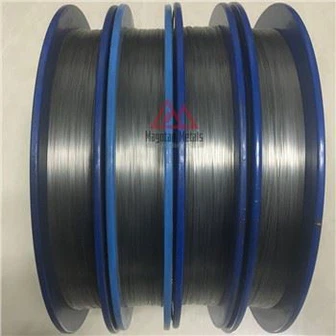
is tantalum flammable?
Tantalum is a rare, lustrous, and very strong metal that is known for its unique properties such as high melting point, corrosion resistance, and biocompatibility. It is widely used in electronic components, capacitors, turbines, and other high-tech applications. However, there is a common concern whether tantalum is flammable or not. In this article, we will explore the flammability of tantalum and its safety implications.
Firstly, it is important to acknowledge that tantalum is not a flammable metal. It is a highly stable and noncombustible element that does not catch fire or burn easily. Tantalum has a melting point of 3017°C, which makes it one of the most heat-resistant metals in existence. It also has a very low coefficient of thermal expansion, which means it does not expand or contract significantly when exposed to heat or cold. Therefore, it is unlikely that tantalum would ignite or explode under normal conditions.
However, it is important to note that tantalum can react with certain chemicals and materials under specific circumstances, which may lead to hazardous conditions. For instance, tantalum may react violently with strong oxidizing agents such as fluorine gas, chlorine gas, and nitric acid. These substances can oxidize tantalum and generate heat, gas, and other hazardous byproducts. Therefore, it is crucial to handle tantalum with care and avoid exposing it to incompatible materials.
Moreover, the processing and fabrication of tantalum products may involve some flammable or explosive materials such as solvents, fuels, and gases. For example, the production of tantalum powder may require the use of reducing agents such as hydrogen gas, which is highly flammable and explosive. Similarly, the sintering of tantalum capacitors may involve the use of flammable binders and fluxes. Therefore, it is important to follow strict safety guidelines and protocols when handling tantalum materials, especially in industrial settings.
Fortunately, there are several measures that can be taken to ensure the safe handling and use of tantalum products. One of the most important steps is to protect against ignition sources, such as sparks, flames, and hot surfaces. Tantalum materials should be stored in dry and ventilated areas, away from heat sources and high-risk zones. In addition, workers should wear appropriate personal protective equipment, such as gloves, goggles, and respirators, to prevent exposure to hazardous chemicals and materials.
Furthermore, it is recommended to use compatible equipment and tools when processing tantalum products. For example, non-sparking tools such as copper and aluminum alloys should be used instead of steel or iron tools, which may produce sparks when striking tantalum surfaces. Similarly, inert gas atmospheres, such as argon or nitrogen, should be used instead of air or oxygen when handling tantalum powders or sintering tantalum capacitors. These measures can help minimize the risk of fire, explosion, and other accidents.
In conclusion, tantalum is not flammable in itself, but it may react with certain substances and conditions that can lead to hazardous situations. Therefore, proper handling and processing of tantalum materials are crucial to ensure their safety and reliability. By following the appropriate safety guidelines and measures, we can harness the benefits of tantalum without compromising our health and environment. As a versatile and valuable material that has contributed greatly to modern technology and innovation, tantalum deserves our respectful and responsible use.