

What Is Heavy Tungsten Alloys
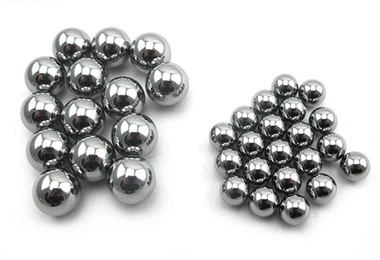
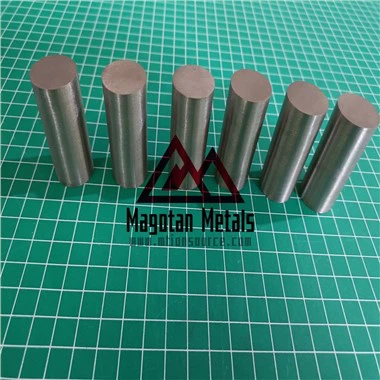
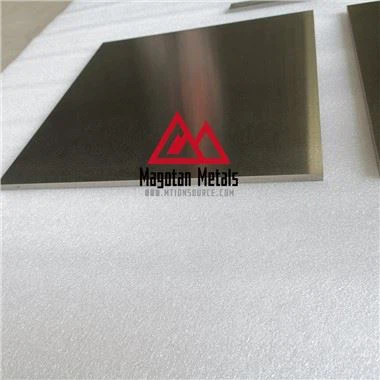
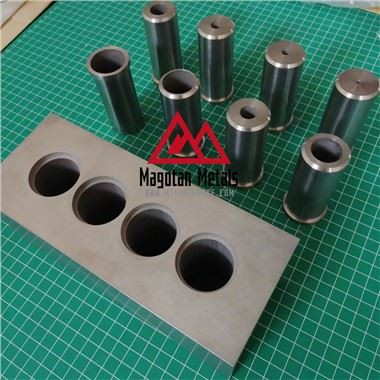
Heavy tungsten alloys (HTA) are made by mixing tungsten with other metals such as nickel, iron, copper and/or cobalt. These alloys have high density, good mechanical properties, high radiation shielding capabilities and excellent corrosion resistance. They are often used to manufacture counterweights, radiation shields, ballasts and other components that require high density and durability. HTA is also known as high specific gravity alloy, tungsten alloy or tungsten heavy alloy.
Advantages of Heavy Tungsten Alloys
High Density: Heavy tungsten alloys have a density that is higher than that of lead, making them ideal for use as radiation shields, counterweights, and ballast weights.
High Strength: Heavy tungsten alloys have a high tensile strength, which makes them perfect in applications where high strength is required, such as in mechanical components and structural parts.
Wear Resistance: Heavy tungsten alloys are resistant to wear and corrosion, making them ideal for use in applications that require durability and resistance to harsh environments.
High Thermal Conductivity: Heavy tungsten alloys have high thermal conductivity, which makes them suitable for use in applications that require efficient heat transfer, such as heat sinks and thermal management systems.
Radiation Shielding Capability: Heavy tungsten alloys are used for radiation shielding in medical imaging and in nuclear facilities. They have high density, which increases their ability to block radiation effectively.
Machinability: Heavy tungsten alloys can be easily machined using standard machining methods, such as milling, turning, and grinding. This makes them easy to work with and allows for the production of complex shapes and components.






Why Choose Us
High Quality
We take pride in the craftsmanship of our products and ensure that each one meets our strict standards for quality.
Rich Experience
Our company has many years of production work experience. The concept of customer-oriented and win-win cooperation makes the company more mature and stronger.
Competitive Price
We have professional sourcing team and cost accounting team, stive to reduce cost and profit and provide you a good price.
One stop solution
From the begining inquiry and throughout the entire process until you receive the goods. we are dedicated to supporting you every step of the way.
What Are The Uses Of Heavy Tungsten Alloy
Target
Heavy tungsten alloy is one of the important targets for preparing semiconductor materials. Thin film deposition of semiconductor materials usually requires the use of physical vapor deposition, chemical vapor deposition and other technologies. The purity and uniformity of the target material have an important impact on the film performance. The preparation and processing technology of heavy tungsten alloy is relatively simple, and high-quality targets can be produced.
Ray Protection
Heavy tungsten alloys are widely used in the nuclear industry and medical fields. Radiation-resistant materials are required in the manufacturing of radiation equipment. Heavy tungsten alloy protects personnel by protecting against high-intensity radiation.
Energy Equipment
Heavy tungsten alloys are also used in the manufacture of energy equipment, including rocket engine nozzles, atomic reactor internal components, gas turbine blades, etc. The working environment of these equipment is extremely harsh and requires materials with high temperature, high strength and anti-oxidation properties. Heavy tungsten alloys have excellent properties in these fields.
Heavy Industry
Heavy tungsten alloys are also widely used in key components in traditional heavy industries such as machinery, automobiles, and shipbuilding. For example, used to manufacture bearings, gears, rocker arms, cylinder pistons, etc. These parts require materials with high strength and wear resistance.
How To Test The Quality And Performance Of Heavy Tungsten Alloys
Chemical Analysis
Use chemical analysis techniques to determine the composition of heavy tungsten alloys. This can help confirm that the material meets specifications and if any undesirable impurities are present.
Density Test
Use a density meter to measure the density of heavy tungsten alloy. Since the density of heavy tungsten alloys is very high, density testing is an effective way to ensure their quality.
Hardness Test
Use a hardness tester to measure the hardness of heavy tungsten alloy. Heavy tungsten alloys have very high hardness, so hardness testing is an important indicator of their performance.
Tensile Testing
Use a tensile testing machine to measure the tensile strength and yield strength of heavy tungsten alloys. This can help determine its overall strength and durability.
Impact Test
Use an impact testing machine to test the toughness and durability of heavy tungsten alloy. This can help determine how it performs under extreme conditions and determine its suitability for vibration and other stresses.
Microscopic Observation
Use a microscope to observe the microstructure and particle size of heavy tungsten alloy. This can help identify some issues in its manufacturing process and ensure the material meets requirements.
How Heavy Tungsten Alloy Is Made
The Main Steps In Heavy Tungsten Alloy Manufacturing Include
Raw Material Preparation
First, high-purity tungsten powder, nickel powder and iron powder need to be selected as raw materials. Tungsten powder needs to be finely ground through a ball mill to make its particle size smaller.
Mixing
Mix tungsten powder, nickel powder and iron powder according to a certain proportion, add a certain amount of fine sand and binder, and mix until they are fully uniform.
Press Forming
The alloy mixture is pressed into a mold to form the desired shape and size. This process is usually carried out using a press or molding machine.
Sintering
Send the pressed body into the sintering furnace for sintering. At high temperatures, the bonding force between powder particles is enhanced, making the green body denser and stronger.
Processing
Finish and surface treat the sintered body to achieve the required size and shape. Commonly used processing methods include cutting, milling, grinding, polishing, etc.
Inspection And Packaging
Manufactured heavy tungsten alloy parts need to undergo appearance and performance testing to ensure that they meet standard requirements. Once authenticated, the pieces are packaged and sold.
Why Use Heavy Tungsten Alloy For Radiation Shielding

01
High Density
Heavy tungsten alloy has a high density and can provide effective shielding performance. Heavy tungsten alloys provide better radiation shielding than other materials of the same thickness because more radiation is absorbed and scattered.

02
High Absorption Capacity
Heavy tungsten alloy can effectively absorb different types of radiation, including high-energy and low-energy radiation. It can also absorb certain types of radiation, such as neutrons and X-rays, so that it does not cause any harm to people or other objects in the environment around the device.

03
Strong Corrosion Resistance
Heavy tungsten alloy has excellent corrosion resistance and can effectively resist many common chemicals and environments. Therefore, heavy tungsten alloy is an excellent choice in many radiation shielding applications because of its ability to maintain its performance and appearance over the long term.

04
Processability
Heavy tungsten alloy is easy to process and form, and can be made into parts of various shapes and sizes, making it easy to design and manufacture radiation shielding that meets specific requirements. For example, heavy tungsten alloy drill bits and saw blades can be used to facilitate processing and shaping.

Heavy tungsten alloy is a type of tungsten alloy, sometimes also called high-density tungsten alloy, consisting of tungsten, copper, nickel and other elements. Heavy tungsten alloy has higher density, greater hardness and better high temperature resistance, so it has better wear resistance, corrosion resistance, high temperature resistance and other properties. It is usually used to make high-speed cutting tools, friction materials, etc.
Pure tungsten is a material composed only of tungsten elements. It has higher density and hardness. It has good high temperature stability and corrosion resistance. However, it is usually more brittle than heavy tungsten alloys and difficult to process. Therefore, it is used in some special industries. Used in fields, such as manufacturing high temperature resistant components, electrodes, etc.
What Are The Factors That Affect The Performance Of Heavy Tungsten Alloys
The Factors That Affect The Performance Of Heavy Tungsten Alloys Mainly Include The Following Points.
Alloy Composition: The higher the tungsten content in the heavy tungsten alloy composition, the greater its density and hardness, and the toughness will be reduced.
Alloy Preparation Process: Different preparation processes will also have an important impact on the performance of heavy tungsten alloys. For example, different sintering temperatures, carburizing temperatures, etc. will affect the hardness and toughness of the alloy.
Microstructure: The details of the microstructure have a great impact on the properties of heavy tungsten alloys. For example, the grain size, grain boundaries and impurity content and distribution in the structure will all affect the hardness and toughness of the alloy.
Stress level: When heavy tungsten alloy is subjected to external stress, its performance will also change. For example, under low stress conditions, the hardness and toughness of the alloy will be better than under high stress conditions.
Working Temperature: The working temperature of heavy tungsten alloy will affect its performance. For example, at high temperatures (over 800 degrees Celsius), the hardness, toughness, corrosion resistance and other properties of heavy tungsten alloy will decrease or fail.
Chemical Composition: In addition to the tungsten content, the chemical composition of other elements in the heavy tungsten alloy will also affect its performance. For example, adding some appropriate elements (such as chromium, molybdenum, cobalt, iron, etc.) can improve the corrosion resistance, processability, thermal stability and other properties of the alloy.
Heavy tungsten alloy is a high-strength, high-density alloy material, and its working principle is mainly based on its high hardness and toughness. Heavy tungsten alloys have very high hardness and can withstand high temperatures, high pressures and strong wear conditions, so they are often used in the manufacture of cutting tools, molds, drill bits and other tools and parts. Its strong toughness can ensure that tools and parts are not prone to breakage and damage in harsh environments such as high load and high pressure.
When manufacturing heavy tungsten alloys, tungsten powder and metal powder are usually mixed and pressed. These raw materials are pressed and sintered under high temperature and pressure to form non-porous, dense block materials. These bulk materials can be further cut and ground into the desired shape and size and subjected to brazing, riveting and other processing operations.

What Is The Wear Resistance Of Heavy Tungsten Alloy
Heavy tungsten alloy has excellent wear resistance and is a high-strength, high-hardness material. Heavy tungsten alloys can maintain stable performance under high temperature, high pressure, high speed and heavy load, so they are widely used in the manufacture of wear-resistant parts, cutting tools and drill bits. Its good wear resistance also allows heavy tungsten alloy to withstand intense friction and wear, maintaining shape and stability.
Development Trend of Heavy Tungsten Alloy
Heavy tungsten alloy is a wear-resistant, corrosion-resistant, high-temperature-resistant, high-strength alloy material with wide application prospects. With the continuous advancement of technology and the expansion of application fields, the development trends of heavy tungsten alloys mainly include the following aspects.
Improve Alloy Hardness: The hardness of heavy tungsten alloy is one of the important indicators that attracts attention. The future development trend will be devoted to improving the hardness of alloys to meet more stringent use conditions.
Improve The Wear Resistance Of The Alloy: Heavy tungsten alloy has high wear resistance and is widely used in the machinery manufacturing and hardware repair industries. Future development trends will be explored and researched in improving the wear resistance of alloys.
Improve Composite Properties: In order to meet the needs of different fields, the composite properties of heavy tungsten alloys will also continue to improve. Future development trends will focus on improving the composite properties of tungsten alloys to meet the needs of aerospace, manufacturing, environmental protection and other fields.
Improve Preparation Technology: With the continuous advancement of technology, the technology of preparing heavy tungsten alloy will also continue to improve. Future development trends will focus on more efficient and energy-saving preparation technologies to improve production efficiency and reduce manufacturing costs.
Green And Environmental Protection: In the future development trend of heavy tungsten alloys, environmental protection will be a major development direction. Therefore, we will focus on green production and green utilization, and will also be committed to developing more environmentally friendly heavy tungsten alloy processes and technologies.
Sustainability: Studying the sustainability of heavy tungsten alloys, such as recycling, can help reduce resource waste and environmental pollution, while also reducing production costs and increasing profit margins.
Maintenance Tips For Heavy Tungsten Alloy
Pay attention to the usage environment and conditions of heavy tungsten alloy, and avoid long-term exposure to moisture and corrosive gases.
Check the surface of heavy tungsten alloy regularly. If scratches, cracks, etc. are found on the surface, they must be dealt with in time to avoid more serious damage.
For heavy tungsten alloys exposed to the environment, regular cleaning and polishing can maintain the smoothness and beauty of their surfaces and increase their service life.
When using heavy tungsten alloy, appropriate processing methods and parameters must be selected according to the actual situation to avoid damage caused by overheating or excessive processing temperature.
When storing heavy tungsten alloy, avoid contact with other metals or objects to prevent static electricity and chemical reactions from affecting the performance and quality of heavy tungsten alloy.
Regularly inspect and maintain heavy tungsten alloy products, especially in places subject to excessive vibration and impact during use, so that problems can be discovered in time and appropriate measures can be taken.
Our Factory
Baoji Magotan Nonferrous Metals Co., Ltd was established in 2016 by Jason Fan with more than 15 years of experience in the refractory metals field, specializing in the supply, machining, and fabrication of refractory metals products. Our company has provided countless high-quality processed parts to customers in semiconductor electronics, petroleum, chemical industry, metallurgy, mechanical equipment, vacuum coating, lighting, outdoor, sporting goods and other industries.

FAQ
Q: What are the advantages of Heavy Tungsten Alloys?
Q: How are heavy tungsten alloys made?
Q: What are the benefits of heavy tungsten alloys?
Q: What is the density of heavy tungsten alloys?
Q: What is the tensile strength of heavy tungsten alloys?
Q: What is the hardness of heavy tungsten alloys?
Q: What is the melting point of heavy tungsten alloys?
Q: What are the applications of heavy tungsten alloys?
Q: What is the thermal conductivity of heavy tungsten alloys?
Q: What are heavy tungsten alloys?
Q: What is the corrosion resistance of heavy tungsten alloys?
Q: What is the machinability of heavy tungsten alloys?
Q: What is the radiation shielding performance of heavy tungsten alloys?
Q: What properties do Heavy Tungsten Alloys possess?
Q: What are the advantages of heavy tungsten alloys over other materials?
Q: What is the process for manufacturing heavy tungsten alloys?
Q: How are heavy tungsten alloys tested and certified?
Q: What are the factors affecting the performance of heavy tungsten alloys?
Q: What are the future trends of heavy tungsten alloys?
Q: What are the alternative materials to heavy tungsten alloys?
As one of the most professional heavy tungsten alloys manufacturers and suppliers in China, we're featured by quality products and competitive price. Please rest assured to buy discount heavy tungsten alloys made in China here from our factory.
