

What Is Crucible Liner
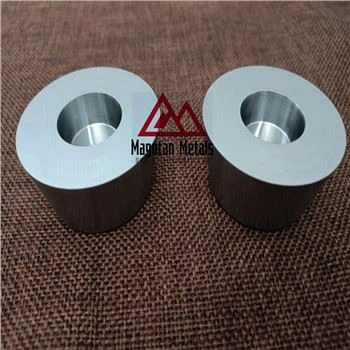
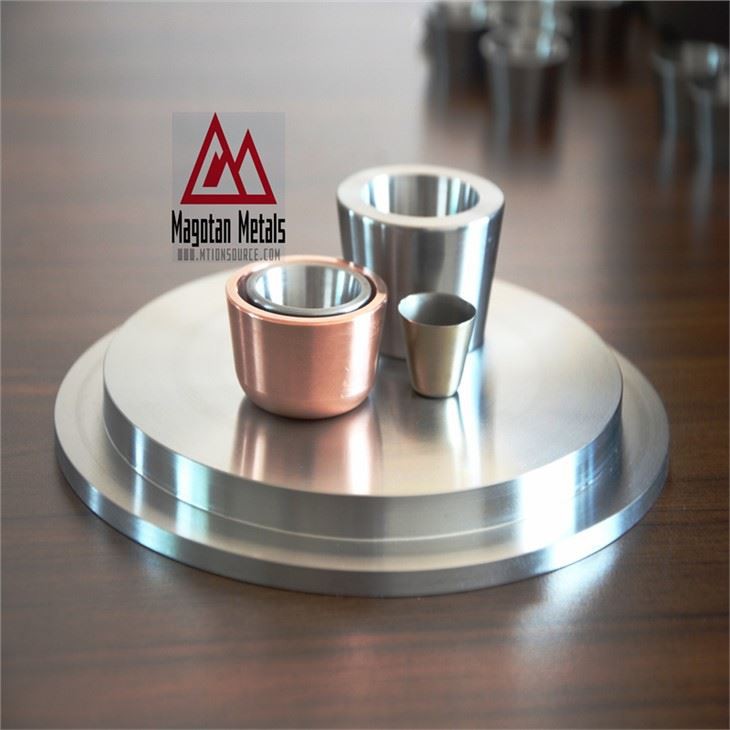
A crucible liner is an insulating layer that lines the inside of a crucible used in industrial applications. It can be made of materials such as alumina, zirconia, or graphite, depending on the desired properties for the specific application. The liner helps to protect the crucible from the high temperatures and chemical reactions that occur during the manufacturing process, as well as prevent contamination of the materials being processed.
Advantages Of Crucible Liner
Reduced Contamination: The crucible liner reduces contamination by separating the sample from the crucible surface. It ensures that the sample remains pure, and there is no cross-contamination between samples, which can otherwise lead to inaccurate results.
Easy To Clean: Crucible liners can be easily removed and cleaned after each use. This reduces the risk of cross-contamination and ensures that the crucible is free from any residue or debris that may affect subsequent experiments.
Improved Accuracy: Crucible liners improve the accuracy of the results obtained. They provide a consistent surface for the sample, ensuring that the sample is heated uniformly, and there is no loss of sample due to sticking or spilling.
Consistent Results: The use of a crucible liner can help to ensure more consistent results by preventing impurities from being introduced into the melt. This is especially important in scientific research where precise control over the melting process is required.
Improved Safety: Crucible liners can improve safety in the laboratory by reducing the risk of spills, splashes, and other accidents. This is particularly important when handling hazardous or reactive materials.
Improved Purity: Crucible liners help prevent contamination of the molten material by providing a barrier between the crucible and the sample. This reduces the risk of impurities entering the sample, which can affect its properties and purity.




Why Choose Us
High Quality
We take pride in the craftsmanship of our products and ensure that each one meets our strict standards for quality.
Rich Experience
Our company has many years of production work experience. The concept of customer-oriented and win-win cooperation makes the company more mature and stronger.
Competitive Price
We have professional sourcing team and cost accounting team, stive to reduce cost and profit and provide you a good price.
One stop solution
From the begining inquiry and throughout the entire process until you receive the goods. we are dedicated to supporting you every step of the way.
What Materials Are Crucible Linings Made Of
The crucible lining can be made of a variety of materials. Generally, the material is selected according to the use requirements, mainly including.
Quartz
Quartz crucible is the most commonly used crucible lining material, which has the characteristics of high temperature resistance, corrosion resistance, and good stability. Suitable for high temperature smelting and physical and chemical experiments.
Silicon Carbide
Silicon carbide crucible has high strength, high temperature stability, corrosion resistance, and is suitable for high temperature experiments and chemical reactions.
Ceramic
Ceramic crucible is suitable for general chemical experiments and has the characteristics of chemical inertness.
Aluminum Oxide
Aluminum oxide crucible is suitable for high-temperature smelting and has good resistance to high temperatures and acidic substances.
Metal Crucibles
Such as steel, aluminum, copper, etc., have the advantages of high thermal conductivity, high strength and low price, but are susceptible to corrosion and oxidation.
Graphite
Graphite crucible has high temperature and chemical stability, and is suitable for high temperature smelting and physical and chemical experiments.
How To Install Crucible Liner


Prepare Tools And Materials: According to the size of the crucible lining, you need to purchase the corresponding lining material, as well as iron pliers, wire brushes, sandpaper, hammers, tweezers, welding equipment, protective glasses and other tools.
Clean The Crucible: Before installing the crucible lining, the inside of the crucible should be cleaned to remove all dust and impurities to ensure that the lining can be installed securely.
Measure The Lining Size: Using a tool such as a scale or tape measure, accurately measure the diameter and depth of the crucible for cutting the lining material.
Cut The Lining Material: According to the measured size, use tools such as wire brushes, hammers and pliers to accurately cut the lining material to the appropriate size, and polish the cuts.
Install The Lining: Slowly push the lining material into the inside of the crucible, and adjust it as needed to make it fit perfectly with the bottom of the crucible to ensure that the lining can completely cover the inside of the crucible.
Weld The Lining: Use welding equipment to secure the lining to the inside of the crucible, preventing any gaps between the lining material and the crucible surface. After welding, use tools such as sandpaper and tweezers to polish the surface of the crucible and remove welding slag to ensure that the lining can be installed smoothly.
Inspection And Cleaning: After installation, check whether the crucible lining is tight and not loose. Test whether the crucible lining completely covers the inner wall of the crucible and clean it appropriately to ensure that the lining is completely clean and meets hygienic standards.

Crucibles and crucible linings are commonly used experimental instruments for high temperature tests, corrosion tests, smelting tests, etc. The difference between the two is.
Different Materials: Crucibles are generally made of metal, such as stainless steel, aluminum, copper, iron, etc.; while the lining of the crucible is generally made of non-metallic materials such as ceramics, graphite, quartz, etc.
Different Uses: Due to the different lining materials of the crucible, the properties of the material and the requirements of the test conditions need to be considered when using them. For example, when conducting high temperature tests, graphite crucibles or metal crucibles are commonly used; when conducting strong acid or alkali corrosion tests, ceramic crucibles or quartz crucibles are commonly used.
Different Maintenance: Due to the corrosiveness of the material or the influence of high temperature conditions, the service life of the crucible and crucible lining will be different. After use, metal crucibles need to be cleaned and dried to prevent rust or oxidation; non-metal crucibles need to be replaced or treated regularly to ensure the accuracy of the test.
Process of Crucible Liner
The Crucible Lining Production Process Includes The Following Steps.
Select The Crucible Lining Materia
The selection of the crucible lining material needs to be based on factors such as the use environment, operating temperature, adhesion and thermal stability. Commonly used crucible lining materials include ceramic, graphite and molybdenum.
Cut The Lining
According to the size and shape of the crucible, use the corresponding tools to cut the lining material into the appropriate size and shape. During the cutting process, attention needs to be paid to the sharpness of the tool and the hardness of the lining material to avoid damaging the lining.
Bonding The Lining
Paste the lining to the inner wall of the crucible. Glue, adhesive or high-temperature thermosetting materials can be used for bonding. During the bonding process, it is necessary to pay attention to the uniform bonding strength and no gaps or bubbles.
Baking Treatment
The bonded crucible lining is baked. Generally, it needs to be placed in a high-temperature oven for baking. The baking temperature and time need to be adjusted according to the characteristics of the lining material and the use environment to ensure that the lining material can withstand high temperature and chemical corrosion.
Inspection And Processing
After the lining is made, it needs to be inspected to ensure that the lining is firmly bonded and free of cracks and defects. If necessary, the lining can also be processed to meet different use requirements.
Installation And Use
After the lining is made, it can be installed on the inner wall of the crucible and used. During use, attention needs to be paid to keeping the crucible dry and clean to extend the use time of the crucible.
Consider The Following Factors When Purchasing Crucible Liners.
Durability: Durability is an important factor in measuring the quality of the crucible lining. When the crucible lining can withstand high temperatures and corrosive substances, its service life is extended. Low-quality crucible liners will fail quickly and require frequent replacement.
Material Selection: The material of the crucible lining should be selected based on factors such as the required chemical reagents and temperature. For example, some special chemical reagents, such as hydrofluoric acid, strong alkali, etc., require the use of more corrosion-resistant materials. Commonly used materials include graphite, quartz, ceramics, silicon carbide, etc.
Size And Shape: Choosing a lining suitable for the size and shape of the crucible can better protect the crucible shell. The lining size should match the size of the crucible to ensure that the lining fits snugly against the inside of the crucible shell.
Surface Quality
The flatness and smoothness of the lining surface quality will affect the uniformity of reaction and heating. For some applications that require higher surface quality, linings with high surface flatness should be selected.
Thermal Expansion Coefficient
The thermal expansion coefficient of the lining must match the working temperature, processing materials and operations to prevent damage to the lining due to shrinkage or expansion during processing.
Price
The price of lining is closely related to its quality. The pricier liners are of better quality and last longer. There is a balance between price and quality when purchasing a liner.
Why It’s Important To Use Crucible Liners
Protect The Crucible
The lining can prevent chemicals from directly contacting the crucible and protect the crucible from corrosion or erosion, thereby extending the service life of the crucible.
Improve Purity
Crucible lining can reduce the mixing of impurities and improve the purity of materials. By using a lining, impurities in the crucible itself can be prevented from affecting the reaction process or sample quality.
Avoid Cross-Contamination
The lining can avoid cross-contamination of samples or reactants to ensure the accuracy and consistency of experiments or production.
Convenient Cleaning
The inner lining can reduce the cleaning work of the crucible, thereby saving time and energy and improving production efficiency. At the same time, the lining is also easy to clean, avoiding possible residues.
What Are The Safety Precautions When Using Crucible Liners
Select the appropriate crucible lining material based on experimental or process requirements. When cutting or splicing the lining, you must pay attention to tension control to avoid excessive stress, which may cause the lining to break or crack.
The crucible and lining must be inspected and cleaned before operation to prevent contamination of impurities, foreign matter or residues in the lining material from affecting the experimental or process results.
During use, frequent and excessive changes in cooling and heating should be avoided to avoid micro-cracks in the lining caused by temperature gradient changes. Avoid excessive impact or compression of the lining.
During the heating or cooling process, do not adjust the temperature quickly. Instead, heat up or cool down slowly to ensure that the surface and internal temperatures of the lining are uniform and stable to avoid cracks or cracks.
After the operation, the crucible and lining should be cleaned in time to remove foreign matter residues and stored in a dry, ventilated, odor-free and other environmental conditions.
When the lining is extremely damaged or shows obvious cracks, the lining must be replaced with a new one in time to avoid personal injury or failure of experiments or processes due to rupture or splashing of the lining material.
Maintenance Tips For Crucible Liner
Regular Cleaning
Use detergent or water and detergent to clean the crucible lining. Do not use chemical cleaners that are too strong to avoid damaging the lining.
Avoid Impacts
The crucible lining is a fragile material, so impacts and collisions need to be avoided during use. Especially when hot, the lining is more fragile, so it needs to be handled with care.
Avoid Drastic Temperature Changes
The temperature change of the crucible lining needs to be carried out slowly to avoid rapid heating or cooling, which will cause the lining to rupture.
Protective Layer Maintenance
Some crucible linings need to be added with a protective layer to enhance their wear resistance and corrosion resistance. These protective layers require regular maintenance to ensure their effectiveness and longevity.
No-Load Preheating
No-load preheating is required when the crucible lining is used for the first time or after it has not been used for a long time. This can help the lining gradually adapt to the high temperature environment and avoid lining rupture due to sudden thermal expansion and contraction.
Regular Inspection
Regularly check the appearance and surface of the crucible lining for cracks, damage, etc. If problems are found, replace them in time.
Proper Storage
When the crucible lining is not in use, it should be stored properly. It's best to place it in a dust bag or plastic bag and store it in a dry, warm place to protect it from moisture or other damage.
Our Factory
Baoji Magotan Nonferrous Metals Co., Ltd was established in 2016 by Jason Fan with more than 15 years of experience in the refractory metals field, specializing in the supply, machining, and fabrication of refractory metals products. Our company has provided countless high-quality processed parts to customers in semiconductor electronics, petroleum, chemical industry, metallurgy, mechanical equipment, vacuum coating, lighting, outdoor, sporting goods and other industries.

FAQ
Q: Why use a crucible liner?
Q: What is the purpose of a crucible liner?
Q: What materials are crucible liners made of?
Q: What are the advantages of using a crucible liner?
Q: How do I choose the right crucible liner for my application?
Q: What are the safety precautions to follow when working with crucible liners?
Q: How do you install a crucible liner?
Q: What temperatures are crucible liners designed to withstand?
Q: What are the different types of crucible liners?
Q: What is the difference between a crucible and a crucible liner?
Q: Can crucible liners be customized?
Q: What is a crucible liner?
Q: What are the benefits of using a crucible liner?
Q: How do you clean a crucible liner?
Q: Can a crucible liner be used in a vacuum environment?
Q: What is the thickness of a typical crucible liner?
Q: How do you dispose of a used crucible liner?
Q: What are some common applications of crucible liners?
Q: Can crucible liners be customized for specific applications?
Q: Can crucible liners be reused?
As one of the most professional crucible liner manufacturers and suppliers in China, we're featured by quality products and competitive price. Please rest assured to buy discount crucible liner made in China here from our factory.
