

What Is Sputtering Target
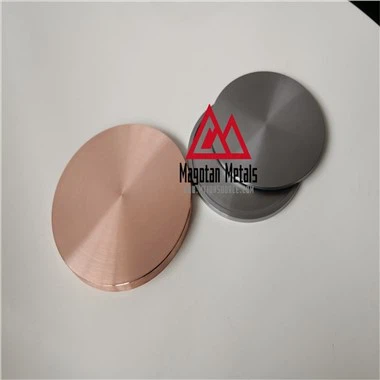
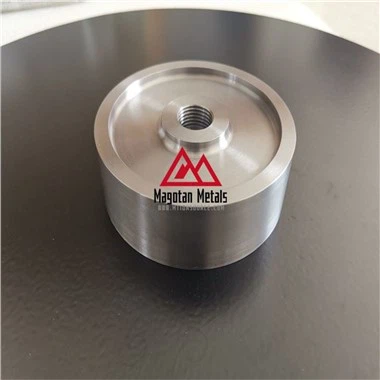
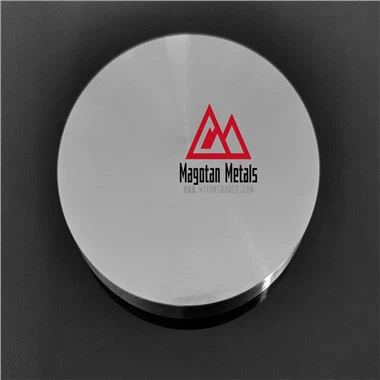
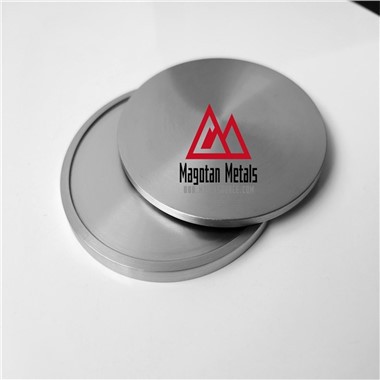
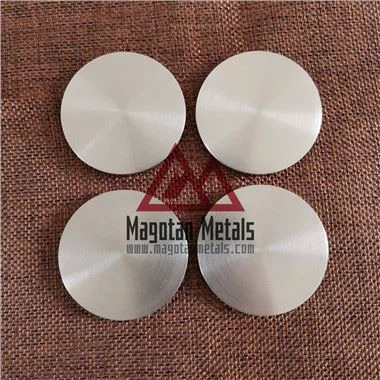
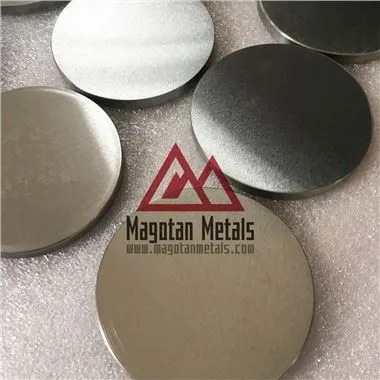
A sputtering target is a material that is used in the process of physical vapor deposition (PVD) to deposit thin films onto a substrate. The target is typically made of a high-purity metal or alloy, and is bombarded with ionized gas particles to eject atoms from its surface. These ejected atoms then travel towards the substrate, where they condense and form an ultra-thin film. Sputtering targets are used in a variety of applications, including semiconductor manufacturing, optical coatings, and magnetic storage media production.
Advantages Of Sputtering Target
High Purity: Sputtering targets are made of highly pure materials which make them an excellent choice for applications where purity is of utmost importance. The targets are made of materials such as aluminum, copper, gold, silver, platinum, and other metals in their purest form, which guarantees the highest quality output.
Durability: Sputtering targets are extremely durable and can withstand the high energy of the sputtering process without breaking or wearing out. This guarantees long-lasting use and reduced need for maintenance or replacement.
Consistent Performance: Sputtering targets offer consistent performance over time, which ensures predictable and repeatable outputs. This makes them highly reliable and ideal for industrial applications that require high precision.
Versatility: Sputtering targets can be used for a wide range of applications, including thin film deposition, data storage, optical coatings, electronic components and more. This versatility makes them highly sought after by researchers and manufacturers across different industries.
Control Over Film Properties: Sputtering targets allow for precise control over the properties of the film being deposited. This allows for customized coatings with specific characteristics like thickness, adhesion, and density.
Compatibility: Sputtering targets can be used with various substrates, including glass, metal, and plastics, increasing their compatibility with different materials.





Why Choose Us
High Quality
We take pride in the craftsmanship of our products and ensure that each one meets our strict standards for quality.
Rich Experience
Our company has many years of production work experience. The concept of customer-oriented and win-win cooperation makes the company more mature and stronger.
Competitive Price
We have professional sourcing team and cost accounting team, stive to reduce cost and profit and provide you a good price.
One stop solution
From the begining inquiry and throughout the entire process until you receive the goods. we are dedicated to supporting you every step of the way.
The 3 Main Types Of Sputtering Targets
Our sputtering targets can be produced from a wide range of materials, such as metals and compounds, using processes including rotatable target technology. The choice of material very much depends on the desired properties of the thin film, such as conductivity, renewability, or optical properties.
We Offer 3 Main Types Of Sputtering Targets
Metal Sputtering Targets
Metal sputtering targets are made from pure metals, such as aluminium, copper, gold, silver, titanium, or metal alloys. Pure metals are most commonly used in the production of electronic devices, such as semi-conductors. Whereas metal alloys are used more commonly in the production of wear-resistant coatings for cutting tools, and biomedical or aerospace components.
Our metal targets are offered in various purity levels to suit your specific requirements. Our manufacturing processes for metal sputtering targets depend on the properties of the target metal and its application and thus the fabrication methods we use vary from vacuum melting and rolling, to hot-pressed, vacuum hot-pressed and forged.
Compound Sputtering Targets
Compound sputtering targets are frequently used in industries, including semiconductors, and optical coatings.
The use of compound sputtering targets has several advantages over metal targets, including the ratio of the different elements in the film that can significantly affect its chemical, electrical and optical properties. Also, in comparison to metal sputtering targets, compound targets have a higher durability, so they are more resistant to erosion and cracking.
Rotatable Sputtering Targets
Rotatable sputtering targets have a cylindrical shape and are usually made up of metal or ceramic materials. The most common targets are available in chromium, tin, zinc and niobium alloys. Rotatable target technology has been highly used in large area coating manufacturing of architectural glass and flat panel displays. They get their name from the way they rotate during the sputtering process, allowing for a longer target life.
Using rotatable sputtering targets has advantages over other sputtering targets as they allow the use of higher densities because of the even spread of heat build-up over the target surface area. Additionally, they can improve the quality of deposited films, making them a popular choice in industries such as electronics, optics and semiconductors.
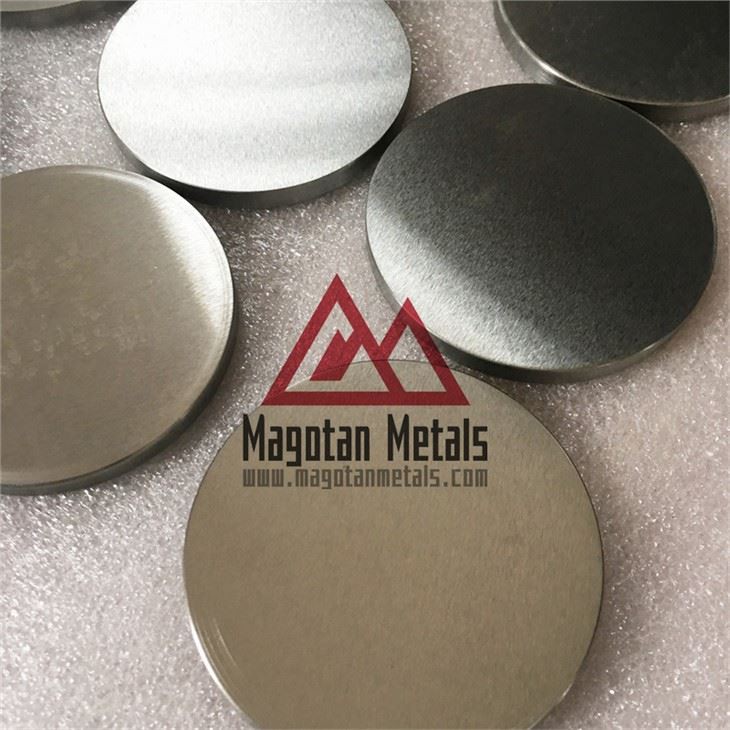
The specific manufacturing process used depends on the properties of the sputtering target material and the end use of the sputtering target itself. Classical and vacuum hot-pressing, cold-pressing and sintering and vacuum melting and casting are routinely employed in the production of a variety of sputtering sources.
State-of-the-art powder mixing and/or alloying through sintering and/or melting of raw materials and subsequent grinding allow us to meet the highest quality standards. Each production lot of material is sent through various analytical processes, and a certificate of analysis is provided with each shipment.
Grain structure is a key factor in a sputteringtarget’s process performance. Finer grain sizes reduce variation in film uniformity and deposition rates. Random, or equiaxed, grain orientation also improves film uniformity. Properly controlling the grain structure of the target enables higher yielding, more consistent deposition processes.
What Are The Uses Of Sputtering Targets
The sputtering target market demand is booming with the rapid development of coating technology, so what are the applications of sputtering target materials?


Decorative Coating
Decorative coating mainly refers to the surface coating of mobile phones, watches, glasses, sanitary ware, hardware parts and other products, which not only plays the role of beautifying color but also has wear-resistant, corrosion-resistant and other functions. With the continuous improvement of people's living standard, more and more articles of daily use are required to carry out decorative coating. Therefore, the demand for decorative coating target materials is increasing day by day. The main types of coating materials include a chrome target, tantalum target, zirconium target, nickel target, tungsten target, titanium target and stainless steel target.
Glass Coating
The application of target materials in the glass is mainly to make low-radiation coated glass, which is to achieve the function of energy-saving, light control, and decoration by using magnetron sputtering principle to splash multilayer film on the glass. The traditional building glass is gradually replaced by the energy-saving glass in recent years with the increasing demand for energy saving, emission reduction and improvement of people's quality of life. It is driven by this market demand that almost all large glass deep-processing enterprises are rapidly increasing the production line of coated glass. Correspondingly, the demand for coating target materials is increasing rapidly. The main types of glass coating target materials include silver target, chromium target, titanium target, nickel-chrome target, zinc tin target, silicon aluminum target, and titanium oxide target.
Another important application of target material in the glass is to prepare an automobile rearview mirror, which is mainly made by chrome target, aluminum target, and titanium oxide target. With the continuous improvement of the automotive rearview mirror, many enterprises have changed from the original aluminum plating process to the vacuum sputtering chromium plating process.
Tools Coating
The tools coating is mainly used to strengthen the surface of tools and molds, which can greatly improve the service life of tools and molds and the quality of the parts being processed. Driven by the development of aerospace and automobile industry, the technological level and production efficiency of the global manufacturing industry have made great progress, and the demand for high-performance tools and molds is increasing day by day. According to statistic, the coating proportion of tool used for processing in developed countries has exceeded 90%. The main types of target materials used for coating of industrial tools include titanium aluminum target, chromium aluminum target, chromium target and titanium target.
Solar Cell Coating
With the decrease of traditional petrochemical material energy, the world has turned to renewable energy. Solar cells are now in their third generation. The first generation is monocrystalline silicon solar cell, the second generation is amorphous silicon and polycrystalline silicon solar cell, and the third generation is thin-film solar cell (represented by CIGS), and the sputtering coating process is a preferred preparation method. The main targets for solar cell coating include zinc oxide aluminum target, zinc oxide target, zinc aluminum target, molybdenum target, cadmium sulfide target, copper indium gallium selenium target, etc.
Why Sputtering Targets Are An Excellent Source Of Precious Metal Scrap
Sputter deposition is often involved in the production of semiconductors and computer chips. As such, most sputtering target materials are metallic alloys or elements, although some ceramic targets are available that create hardened thin coatings for some tools.
Once a sputtering target has been used, most will assume it is now useless. However, there is usually some valuable metal material left that should be recycled. In many cases, the metal could even turn out to be an incredibly rare precious metal like rhodium that can often be recycled as well.
Here’s a List Of All The Sputtering Targets That Are Worth Recycling
Aluminum Targets
Aluminum sputtering is often used for semiconductor applications. Though it is not the most valuable metal, it is still in demand due to its versatility. You can find recycled aluminum in almost any modern vehicle or airplane, and it is used in many household items. Aluminum is also great for heat resistance, which makes it the perfect metal for containers.
Copper Targets
Copper is often used for electrodes and other applications where electrical conductivity is crucial. It’s not rare, but it is used in many applications like plumbing, wiring and windshield films.
Tin Targets
Tin can be applied to many materials to improve their properties. It is used in sputtering to improve corrosion resistance.
Zinc Targets
Zinc targets are also used for their corrosion resistance. When it is sputtered onto another metal, it can be a corrosion barrier, which is why it’s typically used to produce cathodes. Zinc can also be found in batteries, propellants and paints.
Platinum, Silver, And Gold
Precious metals like gold, silver and platinum are sometimes used in sputtering applications. They provide a combination of chemical inertness and electrical conductivity, which makes them excellent for instrument and electrode production. They are also worth recycling for their financial value alone.
Purity, Density, Grain Size, Etc.
Purity
The target material needs to be of extremely high purity. Any impurities may affect the electrical, optical and mechanical properties of the film. Purity levels include 3N, 4N, 5N, 6N, and 7N. The “N” here represents “Nine”, which means “nine”. 3N means that the purity of the material is 99.9%, and 7N means that the purity of the material is 99.99999%. The more N, the purer the target material, and the better the film quality.
Density
The density of the target directly affects the uniformity of the sputtering rate and the service life of the target. High-density targets have a more uniform material structure. This helps achieve a more uniform release of atoms or molecules during the sputtering process. A uniform sputtering rate ensures that the film formed on the substrate has a consistent thickness and a uniform material composition. High-density targets usually wear more slowly under continuous ion bombardment due to their denser structure. The targets can be used for a longer period of time without frequent replacement.
Grain Size
Smaller grain size reduces defects that may occur during sputtering and results in better uniformity of the film deposited on the substrate.

The Working Principle Of Sputtering Target Is As Follows
The working principle of the sputtering target is to place the target in a vacuum chamber, volatilize the atoms or molecules on the surface of the target material by heating or introducing gas, and form a high-concentration gaseous substance around the target, which is called Sputter cloud. By adjusting parameters such as voltage and current of the target, the flow direction and speed of particles in the sputtering cloud can be controlled and deposited on the surface of the substrate to form a thin film.
Sputtering targets are made of various materials, including metals, ceramics, alloys, etc. Targets of different materials have different sputtering clouds, deposition speeds, deposition methods, etc. during the sputtering process. Therefore, in actual actual production, the ideal film composition and properties can be obtained by selecting appropriate sputtering target types and parameters.
What Factors Determine The Selection Of Sputtering Target Materials
The Selection Of Sputtering Target Material Is Determined By The Following Factors.
Sputtering Process
Different sputtering processes require different target materials. For example, magnetron sputtering requires targets with higher melting points, while electron beam sputtering requires targets with higher radiation resistance.
01
Performance Of Sputtering Target
Such as hardness, chemical stability, electrical conductivity, thermal stability, etc. Different target materials have different performance advantages in different applications, and the most suitable target material needs to be selected.
02
Cost Consideration
The cost of the target material is one of the key factors affecting the price of sputtering products. It is necessary to consider the cost and performance to select the appropriate target material.
03
Application Requirements
Different applications have different performance requirements for sputtering films, and appropriate sputtering targets need to be selected according to specific application requirements.
04
Matching Degree With The Base Material
The matching degree of physical and chemical properties between the sputtering target and the base material has a great influence on the uniformity and adhesion of the film. The sputtering target should be selected to match the base material.
05
Our Factory
Baoji Magotan Nonferrous Metals Co., Ltd was established in 2016 by Jason Fan with more than 15 years of experience in the refractory metals field, specializing in the supply, machining, and fabrication of refractory metals products. Our company has provided countless high-quality processed parts to customers in semiconductor electronics, petroleum, chemical industry, metallurgy, mechanical equipment, vacuum coating, lighting, outdoor, sporting goods and other industries.

FAQ
Q: What are the common applications for sputtering targets?
Q: What are sputtering targets made of?
Q: How are sputtering targets manufactured?
Q: What are the different types of sputtering?
Q: What are the advantages of sputtering?
Q: What are some key trends in the sputtering target market?
Q: What parameters affect sputtering?
Q: What is a rotary sputtering target?
Q: What are some common materials used as sputtering targets?
Q: How do you care for sputtering targets?
Q: What is a target bonding process?
Q: What is the difference between an alloy and a composite sputtering target?
Q: What is magnetron sputtering?
Q: What types of gases are used in sputtering?
Q: How does sputtering compare to other thin film deposition techniques?
Q: What is reactive sputtering?
Q: What are some challenges of reactive sputtering?
Q: How are sputtering targets disposed of?
Q: What are the benefits of magnetron sputtering?
Q: What quality control measures are used in sputtering target production?
As one of the most professional sputtering target manufacturers and suppliers in China, we're featured by quality products and competitive price. Please rest assured to buy discount sputtering target made in China here from our factory.
