What kind of surface of tungsten and molybdenum plates should I choose?
Tungsten and molybdenum plates are important materials used in a variety of industrial and commercial applications. One of the most interesting aspects of these plates is the fact that they come in two different types of surfaces: polished and alkali washed. Both types of surfaces have their own unique characteristics and advantages, which make them suitable for different types of applications.
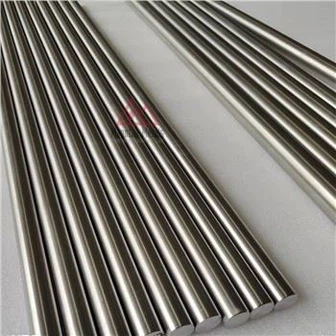
Polished surfaces are characterized by their bright surface and beautiful appearance. They have a smooth and shiny surface that looks great when used in any application. In addition to their aesthetic appeal, polished surfaces also have small dimensional tolerances. This means that they are extremely precise and accurate, which is important for applications where exact measurements are needed.
One of the main benefits of using polished surfaces is that they are easy to clean and maintain. Their smooth surface means that dirt and debris won't adhere to them as easily as they would other types of surfaces. This makes them ideal for use in applications where cleanliness is important, such as in medical or food production facilities.
Another advantage of polished surfaces is that they are highly reflective. This makes them useful for a wide range of applications, including in optical instruments and reflectors. The high reflectivity of polished surfaces means that they can efficiently reflect light and other types of electromagnetic radiation, which is important in many industrial and scientific applications.
On the other hand, alkali washed surfaces have a different set of characteristics. The most notable aspect of alkali washed surfaces is that their surface color is not uniform. Instead, there will be different degrees of pits on the surface, which can create a unique and interesting texture.
The pits present on alkali washed surfaces can actually be an advantage in certain applications. For example, they can serve to increase the surface area of the plate, which can be beneficial in certain chemical reactions. Additionally, the pits can help to create a better bond between the plate and other materials, which can be useful in applications where bonding is important.
One of the main benefits of using alkali washed surfaces is that they are highly resistant to corrosion. The treatment process used to create alkali washed surfaces involves exposing the plate to an alkaline solution, which can help to protect it from corrosion. This makes them ideal for use in applications where exposure to corrosive materials is a concern.
Another advantage of alkali washed surfaces is that they are relatively easy to produce. The process of creating an alkali washed surface is simple and straightforward, which means that the plates can be produced quickly and efficiently. This can be beneficial for large-scale production runs or for applications where time is of the essence.
In conclusion, both polished and alkali washed surfaces have their own unique characteristics and advantages. While polished surfaces offer a beautiful appearance and small dimensional tolerances, alkali washed surfaces are highly resistant to corrosion and have a unique texture that can be beneficial in certain applications. Ultimately, the right choice will depend on the specific needs of the application in question, and careful consideration should be given to both options before making a final decision.