is tantalum conductive?
is tantalum conductive?
Yes, tantalum is a conductive metal that offers several benefits for various applications. This rare, blue-gray metal has a high melting point and is highly resistant to corrosion, making it an ideal choice for electronic and industrial equipment. Tantalum is a unique material that has a range of properties that make it an ideal material for use in electronic devices like capacitors, high-performance superconductors, and surgical implants.
One of the significant advantages of tantalum is its excellent conductivity. Tantalum has a conductivity rating of 7.6 × 10^6 S/m, making it the fourth most conductive element after silver, copper, and gold. Tantalum's high conductivity makes it an ideal material for use in electronic components that require high-speed data transmission. Copper is more commonly used for wiring, but tantalum is often used to make critical connection points within electronic devices to ensure optimal performance.
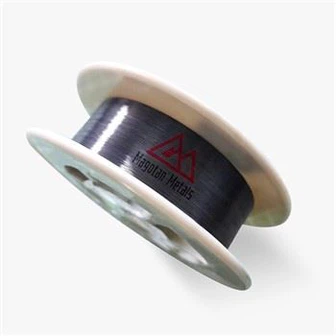
Tantalum is also highly ductile, meaning that it can be easily drawn into thin wires, making it an ideal material for electrical wiring. It is widely used in the aerospace, military, and medical industries to make components that require reliable and long-lasting electronic connections. The addition of other materials such as niobium or tungsten to tantalum can improve these properties, creating alloys that increase the material's strength, stability, and conductivity.
Another important property of tantalum is that it is highly resistant to corrosion. Tantalum's excellent corrosion resistance makes it an ideal choice for use in harsh environments where materials are exposed to extreme conditions such as high temperatures, chemicals, and radiation. Tantalum has an oxide coating that provides additional protection against corrosion, helping to prevent electronic components from deteriorating over time.
Tantalum's properties also make it an attractive material for use in medical devices. Due to its biocompatibility, low toxicity, resistance to body fluids, and high fatigue strength, tantalum is often used in implants such as artificial joints. Tantalum implants are highly regarded for their strength and durability, and they are often used to replace damaged bone or soft tissue. The metal is also an excellent choice for medical instruments, such as surgical cutting tools, or for use in radiation shielding for cancer treatment machines.
Furthermore, tantalum also has excellent thermal and nuclear stability, making it an ideal choice for use in nuclear reactors. Tantalum has a low thermal neutron capture cross-section, meaning that it does not easily absorb neutrons, which decreases the risk of radiation exposure. Its high melting point and resistance to thermal shock make it an excellent choice for use in nuclear applications where materials are exposed to high temperatures and radiation.
In conclusion, tantalum is a highly conductive metal with several unique properties that make it an excellent choice for a wide range of electronic, industrial, and medical applications. Its conductivity, ductility, exceptional corrosion resistance, biocompatibility, thermal and nuclear stability, and fatigue strength make it a unique and valuable material. Its use in electronic devices, surgical implants, and nuclear reactors is a testament to tantalum's exceptional properties. As technology advances and new applications are found, tantalum is expected to play an even greater role in a wide range of industries.