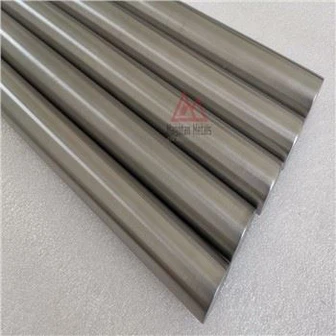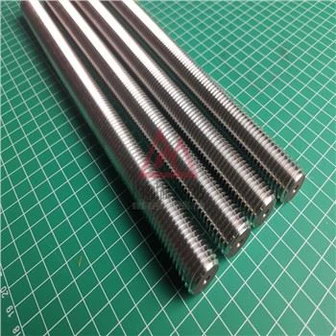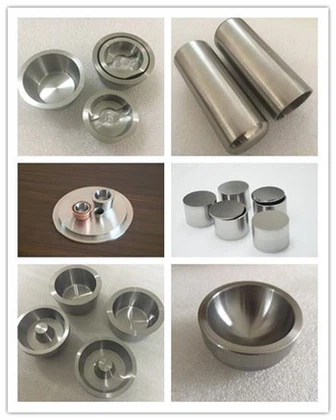
Tungsten-nickel-iron alloy for industrial counterweights
In addition to the pure tungsten alloy, the industrial counterweight can also be made of tungsten nickel alloy as the main raw material. The counterweight produced by tungsten-nickel alloy also has the advantages of large density, small volume, strong strength, strong corrosion resistance, good high temperature resistance and easy machining. It is suitable for elevator, furniture, electrical equipment, and various bases (table lamp counterweight block, ground lamp counterweight block, sound post base counterweight block, paper towel holder counterweight block, knife holder counterweight block, toy counterweight block, etc.). Fan base counterweight block).
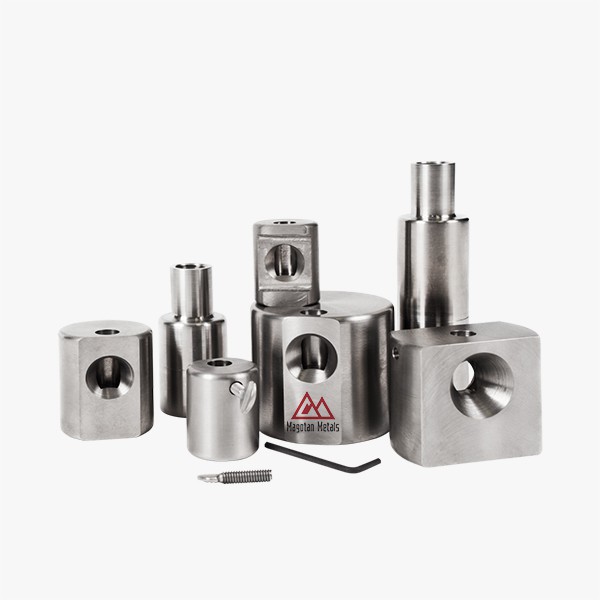
Counterweight block is usually called balance block or weighted block in the design of industrial products. It not only plays a role in balancing and increasing the weight of products, but also plays a supporting role in product assembly, which can greatly improve the quality and grade of products.
According to the material, the industrial counterweight parts are sand counterweight block (cast iron counterweight block), cement counterweight block, plastic filling sand counterweight block, mixed pressing counterweight block. In addition, more environmental protection tungsten alloy counterweight has been developed in recent years.
High specific gravity tungsten alloy is also known as 3 high (or 3H) alloy, namely high density, high strength, high hardness alloy, commonly used as a counterweight, so that the prepared products will have a higher comprehensive performance.
As one of the typical materials of tungsten-based alloy, tungsten-nickel-iron alloy is just an alloy with nickel, iron, copper and other metal materials added on the basis of tungsten-based alloy. It can also produce high-grade industrial counterweight parts, that is, it can significantly extend the service life of products and improve the weight of products.
The preparation of tungsten-nickel alloy materials consists of the following steps: batching, ball milling, drying, press forming, sintering, cladding and remelting using a continuous fiber laser.