



Molybdenum Waveguide Components
Application of molybdenum waveguide components: microwave circuit
Product Introduction
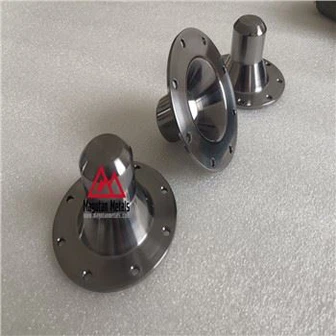
1. Product name: Molybdenum waveguide components
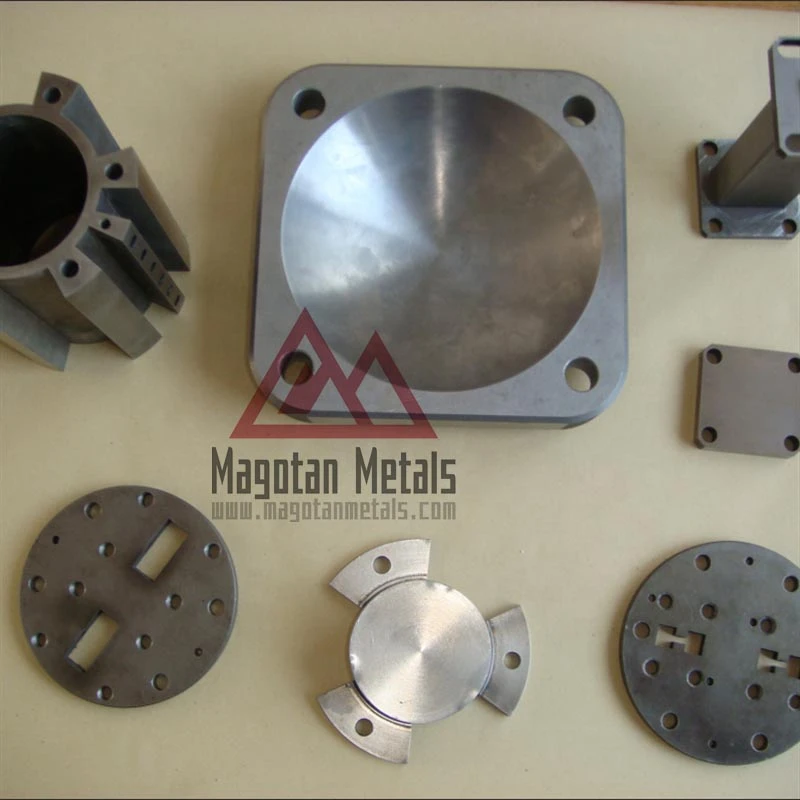
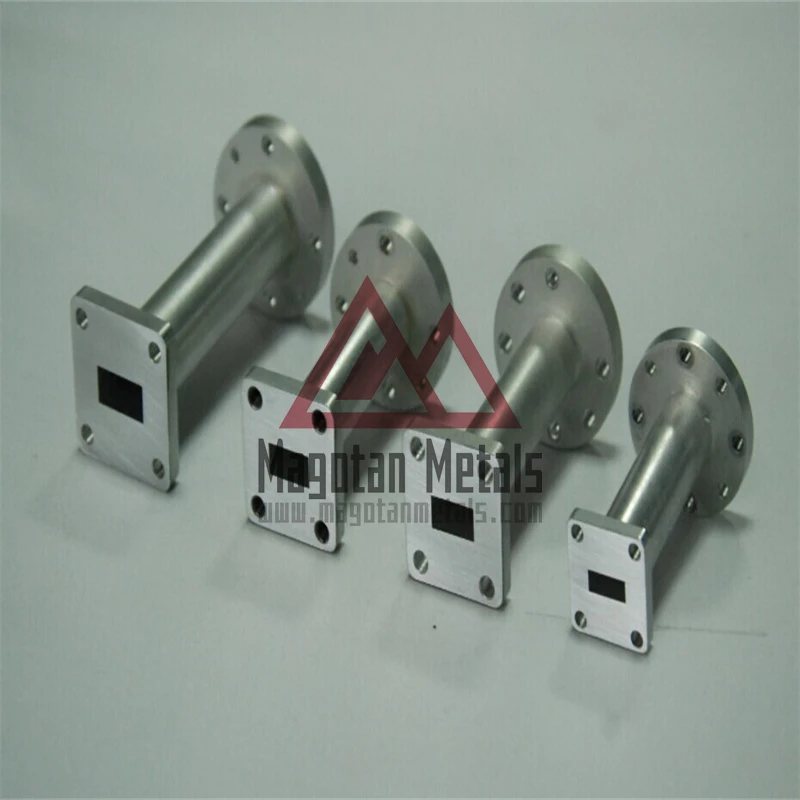
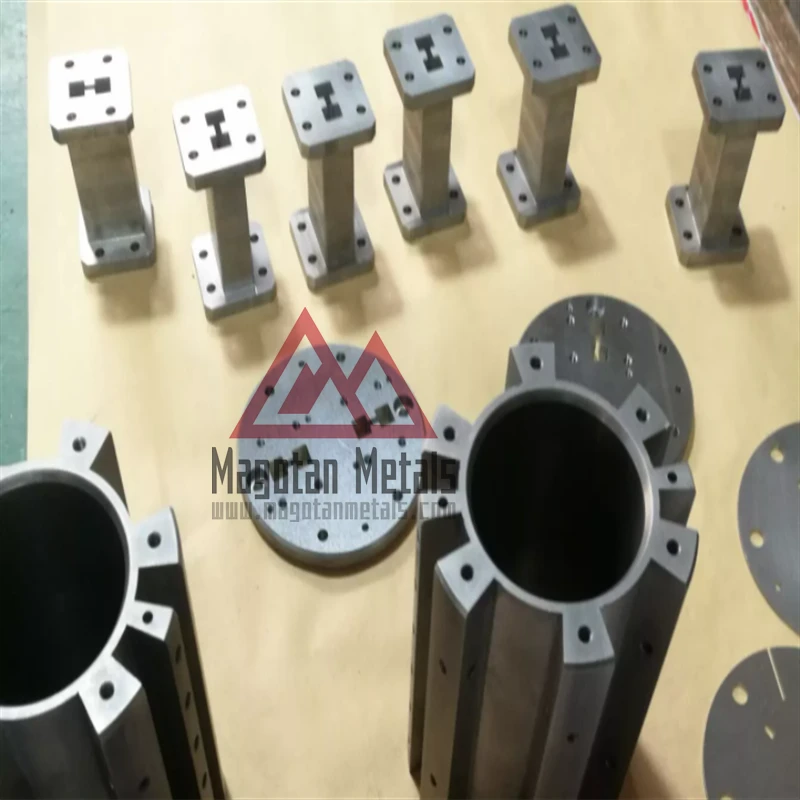
A waveguide component is a basic functional element that constitutes a microwave circuit using a waveguide or the like. Molybdenum waveguide components can form or connect various microwave circuits, and their function is to control the microwave signal and complete the waveform transformation, frequency separation, power distribution, and impedance matching.
2. Molybdenum waveguide components Features:
2.1 The working frequency of waveguide components is generally in the microwave range. At such high frequencies as microwaves, the voltage and current at low frequencies have not only lost their original meaning, but also cannot be measured directly, so they cannot be used as the basic parameters of waveguide components. use. From the measurement point of view, the basic parameters of waveguide components are power and frequency, and other parameters such as impedance, admittance, gain, attenuation, quality factor, etc., can generally be derived from the measured basic parameters.
2.2 Molybdenum waveguide components can be distinguished by the number of "circuits" in the equivalent circuit (ie, the number of branches or "terminal pairs" of the components); they can also be distinguished by the properties of the substances filled in the components; they can also be distinguished by the use of the components. Listed in the table are the main waveguide components. However, from the point of view of use, many of these components often have several purposes, and it is difficult to divide them clearly.
2.3 Molybdenum waveguide components generally have more than two ports, and control electromagnetic waves through some kind of inhomogeneity or some kind of coupling mechanism, that is, various transformations of electromagnetic waves are performed. Commonly used inhomogeneities include waveguide steps (sudden changes in waveguide cross-sectional dimensions), diaphragms, pins, and resonant windows; commonly used coupling mechanisms include coupling holes, cracks, and coupling rings.
3. There is no single method for classifying waveguide components. Considering the network structure, the components can be divided according to the number of "ports" of the equivalent circuit (ie, the number of branches of the components). In this division, an element with one branch is called a port element, and so on, an element with n branches is called an n-port element. If considered from the application point of view, the waveguide elements can also be roughly divided into 4 types, namely connection and matching elements, frequency separation elements, power distribution elements, and weighing elements. Similarly, it can also be divided from other considerations.
4. Packaging of molybdenum waveguide components:
Molybdenum waveguide components will be packed in a wooden case supported with soft materials to ensure that the products thus packed will not shift inside the cases.
5. About Magotan:
Baoji Magotan Nonferrous Metals Co., Ltd is committed to processing, designing, researching, and developing tungsten, molybdenum, tantalum, niobium, zirconium, and other non-ferrous metals, and can design and produce various specifications of molybdenum waveguide components.
Hot Tags: molybdenum waveguide components, China, suppliers, manufacturers, factory, buy, price, discount, in stock, made in China
You Might Also Like


Send Inquiry
